
Rethinking Capacity in 2026: When “Busy” Became the Baseline
I’ve been thinking about this a lot as our team comes back from the holidays.
Over the break, in conversations with friends one theme kept coming up, everyone was exhausted. 2025 was… A lot.
Cost cutting. Hiring freezes. “Do more with less.”
And a level of global uncertainty that’s hard to ignore.
What struck me most wasn’t just the pressure; it was how normal it had become. Feeling stretched, switching off late, carrying work that shouldn’t be yours…is almost treated as the baseline now.
But there’s a price to pay when “capacity” becomes optional.
Microsoft’s research on the “infinite workday” from June 2025 paints a familiar picture. 40% of workers check emails by 6am, 275 interruptions a day, and meetings after 8pm are up 16%.
Gallup found that around 49% of employees across Australia and New Zealand felt a lot of stress the previous day.
Here’s the tricky part. A lot of people are looking around and thinking, “If I leave, will it even be better somewhere else?” It feels like everyone is operating under the same constraints.
So maybe the most useful question for 2026 isn’t “How much more can we push?” It’s: What are we willing to redesign so people can work sustainably?
Not in a fluffy way. In a practical, everyday way:
- clearer boundaries and role clarity
- fewer “nice to have” meetings
- realistic deadlines
- support that genuinely reduces load, not another process to manage
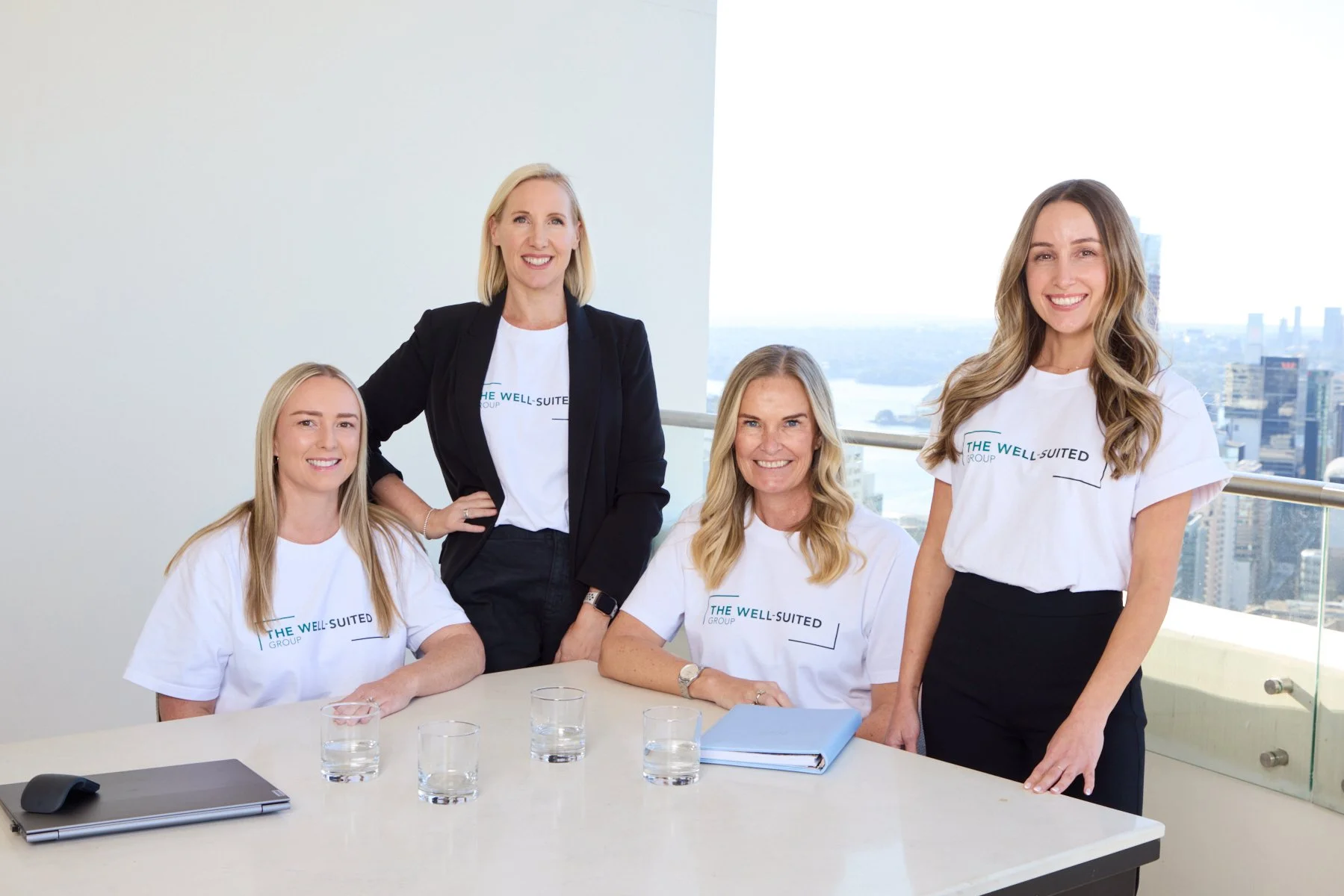
At The Well-Suited Group we’re seeing more leaders ask for capacity solutions. They want experienced executive support that can step in quickly, stabilise priorities, tighten workflows, and give teams breathing room without adding permanent headcount.
I’m curious: what did 2025 teach you about work, capacity, and boundaries, and what are you changing in 2026?